
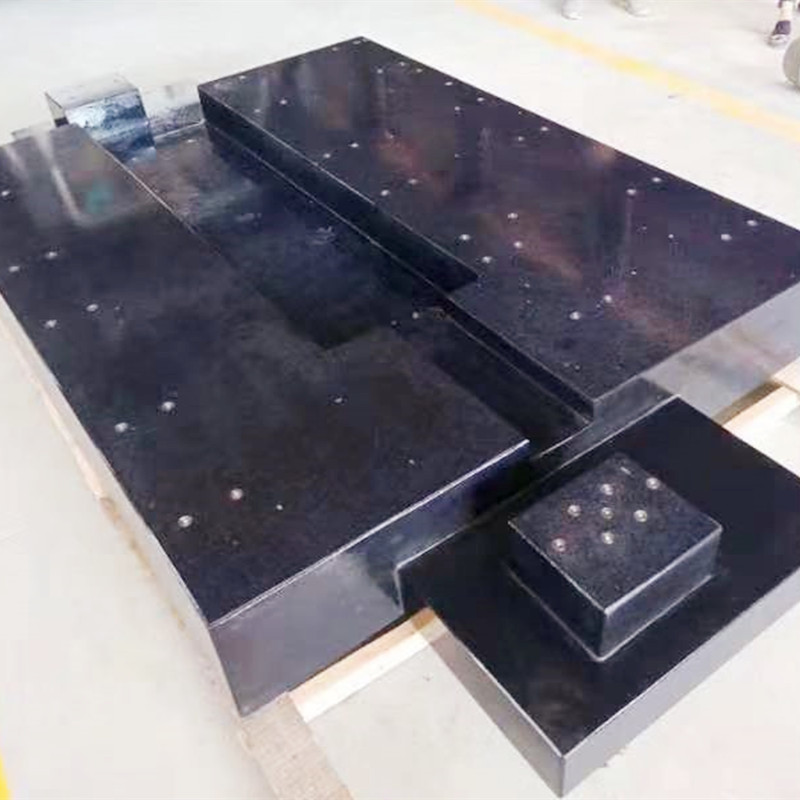
mirror price per square foot
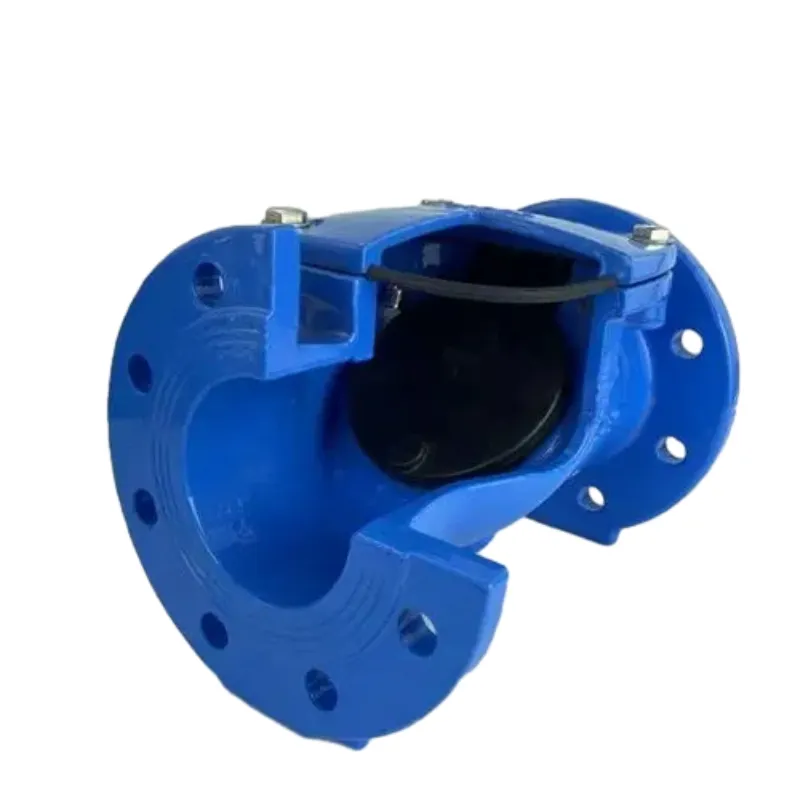
Understanding the Tilting Disc Check Valve The tilting disc check valve is a crucial component in fluid control systems, primarily used to prevent backflow in piping applications. This type of check valve is known for its ability to provide reliable performance, efficient flow management, and durability. In various industrial sectors, including water treatment, oil and gas, and chemical processing, tilting disc check valves play an essential role in maintaining system integrity and efficiency. Design and Functionality Tilting disc check valves operate based on a simple yet effective mechanism. The key element is the disc, which tilts away from the seat to allow fluid flow in the forward direction and closes against the seat to prevent backflow. The design of the valve permits the disc to pivot around a horizontal axis, allowing for a quicker response to changing flow conditions. This tilt mechanism significantly reduces the risk of cavitation and erosion, which are common issues in traditional swing check valves. One of the primary advantages of the tilting disc design is its low-pressure drop across the valve when it is fully open. Unlike other check valves, which can create significant turbulence in the flow path, tilting disc check valves maintain a more streamlined flow profile. This feature is particularly beneficial in systems where energy efficiency is a concern, as it reduces the overall energy consumption of pumps and other connected equipment. Applications The versatility of tilting disc check valves makes them suitable for various applications across multiple industries . In water and wastewater management, these valves are typically installed in pumping stations and pipelines to prevent backflow and protect infrastructure from potential damage caused by reverse flow conditions. Their ability to handle turbulent fluids makes them ideal for use in systems where water quality and flow rates can fluctuate. In the oil and gas industry, tilting disc check valves are employed in pipelines and offshore installations. They help maintain operational safety by preventing backflow that could compromise the system's integrity. Additionally, these valves can be used in high-pressure environments, such as those found in chemical processing plants, where they can withstand aggressive fluids without compromising their functionality. tilting disc check valve Benefits The tilting disc check valve offers several benefits that enhance its appeal to engineers and system designers. One of the most significant advantages is its ability to provide a reliable sealing mechanism, even in high-flow situations. The disc design allows for a quick and tight closure, minimizing the risk of backflow and ensuring system efficiency. Furthermore, tilting disc check valves typically exhibit a longer lifespan compared to traditional check valves. The reduced wear and tear on the valve components due to the optimized flow pattern lead to lower maintenance costs and fewer downtime incidents. Customers appreciate the long-term savings associated with reduced maintenance and replacement frequency. Installation and Maintenance The installation of tilting disc check valves requires careful consideration of flow direction and piping configuration to ensure optimal performance. They can be installed in both horizontal and vertical orientations, providing flexibility in design. Routine inspection and maintenance are essential to ensure the valve remains in good operating condition. Regular checks for mechanical integrity, alignment, and seating surfaces can help identify potential issues before they become significant problems. Conclusion The tilting disc check valve is an essential component in modern fluid control applications, boasting a combination of reliability, efficiency, and durability. Its unique design allows for improved flow management and minimizes the risk of backflow, making it an ideal choice for a wide range of industries. Whether in water treatment facilities, oil and gas pipelines, or chemical processing plants, the tilting disc check valve continues to prove its worth as a critical element in ensuring the safety and efficiency of fluid handling systems. As technology and materials continue to evolve, we can anticipate even greater advancements in the design and application of check valves, further solidifying their role in various industrial processes.
about
mirror price per square foot
Understanding Manual Check Valves Functionality and Applications A manual check valve is a crucial component in fluid systems, designed to regulate the flow of liquids and gases. It operates by allowing fluid to flow in one direction while preventing backflow, thereby protecting the integrity of the system. Unlike automatic check valves that rely on pressure differentials or flow rates to function, manual check valves offer a user-controlled mechanism that provides flexibility and enhanced system control. Functionality The primary function of a manual check valve is to ensure that the fluid flows in the desired direction. This is typically achieved through a simple design that incorporates a movable disc or ball. When fluid flows in the forward direction, the disc or ball is pushed away from the valve seat, allowing the fluid to pass. However, when there is a drop in pressure or a reverse flow, the disc or ball moves back to its original position, sealing the flow path and preventing backslash. One of the distinctive features of manual check valves is the presence of a manual override mechanism. This allows operators to open or close the valve as needed, providing the ability to isolate sections of a system for maintenance or emergency situations. The manual operation can be initiated using a lever, handwheel, or actuator, depending on the design of the valve and the specifics of the application. Applications Manual check valves have a wide range of applications across various industries. They are predominantly used in water and wastewater treatment facilities, chemical processing plants, and HVAC (Heating, Ventilation, and Air Conditioning) systems. Their ability to prevent backflow is essential in maintaining system integrity and ensuring safety. In water treatment plants, for instance, manual check valves are employed to direct the flow of treated water to storage facilities while preventing the contamination of the clean water supply by backflow from the distribution system . Similarly, in the chemical industry, these valves protect sensitive processes by ensuring that corrosive or hazardous chemicals do not flow backward into storage tanks or other areas of the system. manual check valve In HVAC systems, manual check valves are used in hydronic heating systems to prevent reverse flow, ensuring that hot water flows in only one direction. This helps to maintain efficiency and temperature control throughout the system, which is essential for optimal performance. Advantages The adoption of manual check valves in fluid systems offers several notable advantages. Firstly, they provide excellent control over fluid flow, enabling operators to manage system performance effectively. This can be particularly beneficial during maintenance periods when specific sections of the plumbing systems need to be isolated. Secondly, manual check valves can enhance system safety. By preventing backflow, they reduce the risk of contamination and potential damage to equipment. This is particularly critical in industries where hazardous materials are handled, as any backflow could lead to severe ecological or human health consequences. Moreover, the simple mechanical design of manual check valves often leads to lower maintenance requirements and extended service life. With fewer moving parts compared to more complex automatic valves, manual check valves are typically durable and reliable, reducing the total cost of ownership over time. Conclusion In summary, manual check valves are vital components in many fluid systems, providing essential functions that ensure safety, efficiency, and reliability. Their straightforward operation and user-controlled functionality make them a preferred choice in various industrial applications. As industries continue to prioritize safety and operational integrity, the significance of manual check valves is expected to grow, solidifying their place as indispensable fixtures in modern engineering. Whether in water treatment, chemical processing, or HVAC systems, understanding the function and application of manual check valves is crucial for engineers and operators aiming to enhance system performance and safeguard their operations.
-

High quality industrial productsagement

High quality industrial products
View Details -

Meet the diverse needs of customers

Meet the diverse needs of customers
View Details -

Strict quality control

Strict quality control
View Details -

Top raw materials

Top raw materials
View Details -

Trusted supplier

Trusted supplier
View Details
Our application

news and information

Versatile Welding Workbench for Efficient Metal Fabrication and Assembly Tasks
The Essential Guide to Welding Tables Your Ultimate Workbench Companion When it comes to metal fabri
Wood Villa House Truss Repair Mending Nails and Plates Solution
The Essential Role of Truss Mending Nail Plates in Wooden Villa Construction In the realm of archit
Various Types and Applications of Micrometers in Precision Measurement
Types of Micrometers Precision Tools for Measurement Micrometers are precision measurement instrumen
 English